
Understanding Anxiety and Tools to Manage It
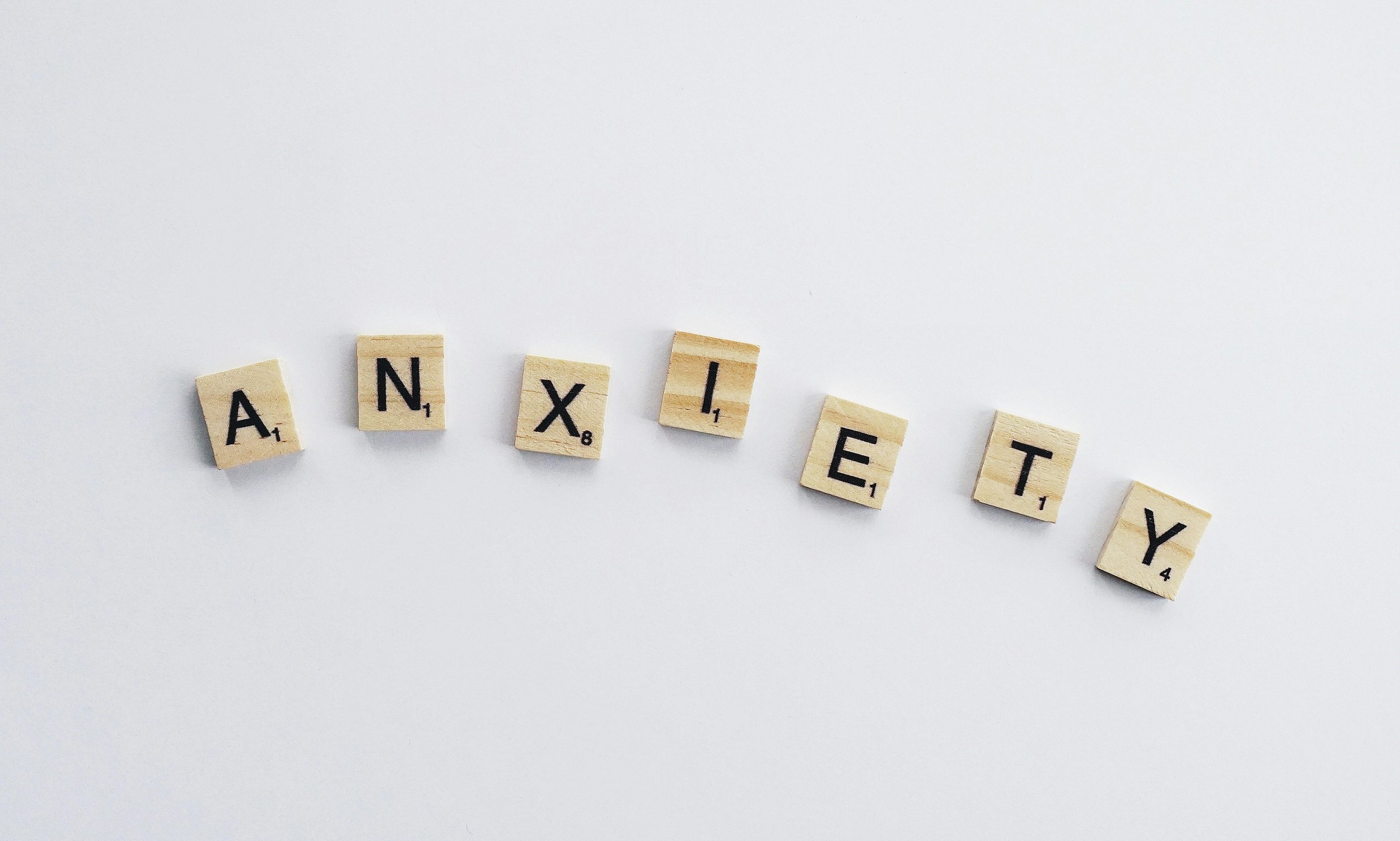
What is Anxiety?
Many of us experience anxiety in our day-to-day lives–but what is it exactly? In fancy terms, it is a series of internal physiological and psychological events. But what does this mean? Let’s break it down. First, it means that our hearts start to beat faster, our armpits might sweat, our breath gets stuck in our chest, along with a variety of other bodily sensations. Second, for some of us, worst-case scenarios might loop through our minds, or we might replay certain actions or conversations after they’ve happened. Whether we experience anxiety as bodily sensations or mental thought patterns, it can significantly impact our well-being. This blog post will briefly explore two types of thought-based anxiety and introduce various tools you can use to manage them.
Past-Thinking Anxiety
You just got back from a party and your mind is spinning. That cute girl you mustered the courage to talk to actually talked to you back. But then she said “excuse me” to get a drink but didn’t come back to finish talking with you. What does that mean? Does she like me? Did I make a fool of myself? What did I say? Oh my goodness; am I a fool? Afterward, you go through every word you said and everything she said, trying to glean insight and clarity into the conversation so you can know what to believe, what to do, or what to say the next time you see her. What if I ruined it? This is an example of “past-thinking” anxiety.
Future-Thinking Anxiety
You are scheduled to give a presentation at work, and you have no idea where to start. In just one day, you will have to stand up in front of your boss and all your co-workers, and you haven’t even started the PowerPoint. They’re going to think I’m stupid, that I don’t know what I’m talking about. I’m going to freeze, and everyone will laugh. You feel paralyzed and are unable to start the process of preparing. This is an example of “future-thinking” anxiety.
Discernment vs. Anxiety
Now, don’t hear me wrong–these patterns of thinking are not inherently bad. In moderation, analyzing past behavior and words can help you grow and develop into someone who is more present, aware, and compassionate to yourself and others. And thinking about the future and wondering what will happen can help you plan efficiently, develop new skills, and grow as a person. But when these two styles of thinking consume you, the anxiety is never-ending and soul-sucking.
Tools to Manage Anxiety
For both types of anxiety, one of the most effective tools is movement. However, let’s say you’re driving and can’t move your body; then what can you do? Practice mindfulness. Be aware of the contents of your mind, but non-judgmentally allow the swirl of anxious thoughts to pass in and pass out. Some mindfulness activities you can try are:
And then, when you get to somewhere where you can move, do that. Some simple ways you can move your body are:
Exercise (Cardio typically, but Weight-Lifting can help as well).
Stretching.
Dancing.
Walks in Nature.
Traditional and LENS Neurofeedback.
EMDR Therapy.
Meditation on the Breath.
Breathing Practices.
When you allow your mind to do what it is doing and engage in physical practices, your body returns to a state of calm and equilibrium. This then affects your mind, and you can become more engaged with the present moment. You may still think about the past or about the future, but because your body is calm, the threat is lessened, and you’re able to reflect, grow, plan, and think more clearly.
If you lean towards “past-thinking” anxiety or “future-thinking” anxiety, don’t be discouraged; over time, through engaging and moving your body, you can teach your body and mind to learn that you are safe. (Though, sometimes because of your particular situation, you are not physically or emotionally safe – in that case, you may need to reach out to a therapist, a friend, a family member, or law enforcement).
Our lives don’t have to be ruled by anxiety. We can learn how to be present and face challenges with poise, confidence, and hope. Let’s move our bodies and see what can happen.
Written by Novo Therapist, Andrew Accornero, LMHCA