
Seasonal Affective Disorder: What It Is and How to Manage It
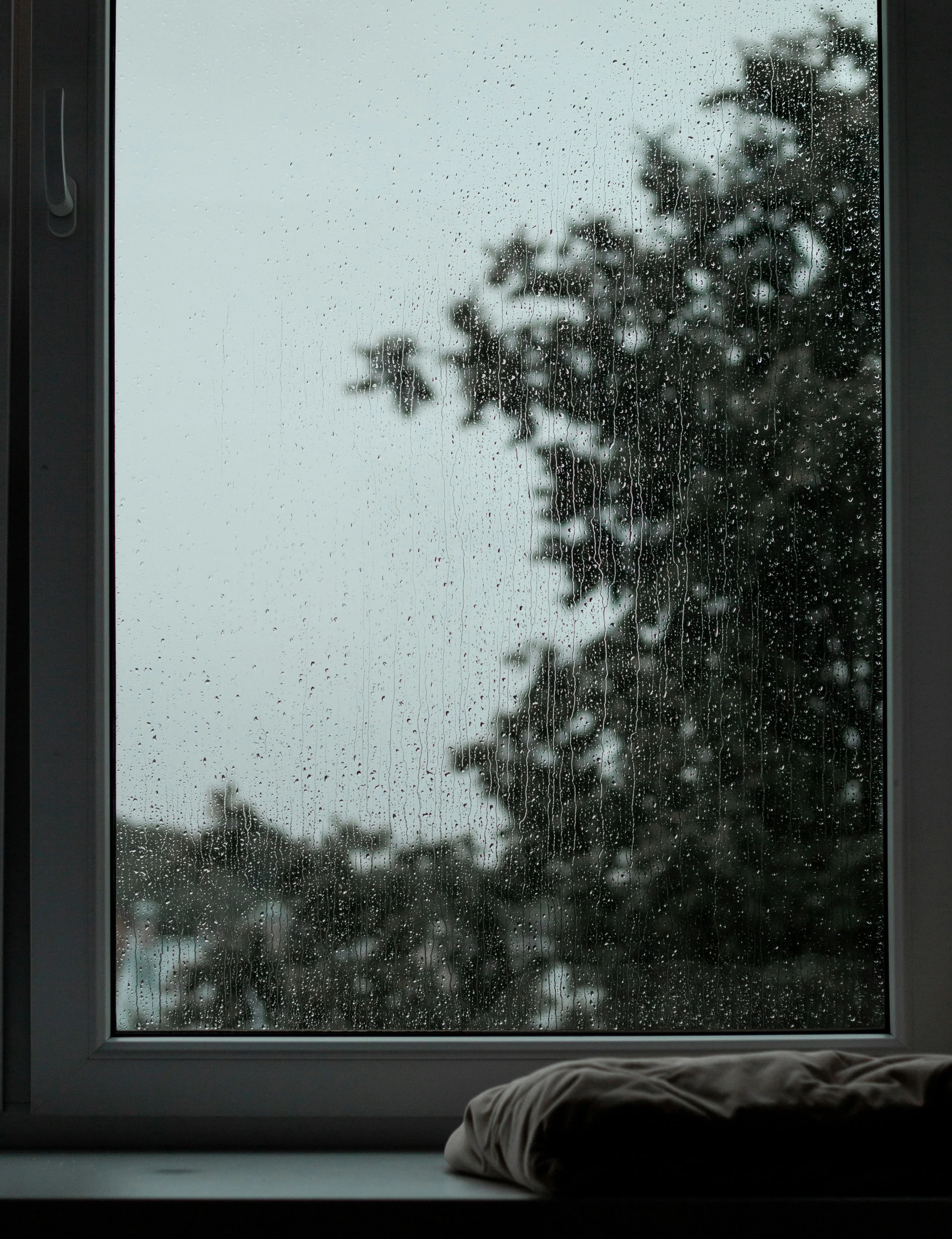
As the days grow shorter and the weather gets colder, you might notice a shift in energy levels, motivation, and sleep patterns. While it's quite normal to experience shifts along with the changing seasons, for some people, these symptoms go far beyond the occasional “winter blues.” Seasonal Affective Disorder (SAD) is a type of major depression in which episodes of depression occur during particular seasons, most common in the fall and winter months.
Two in Five Americans Say Their Mood Worsens in Winter, while roughly 5% experience Seasonal Depression.
Recognizing the symptoms:
Loss of interest in activities once enjoyed
Difficulty concentrating
Irritability
Lethargy and lack of energy
Difficulty sleeping
Social withdrawal
Feelings of worthlessness
Changes in appetite including carb cravings, overeating, and weight gain
Headaches
Decreased libido
What causes SAD?
While the exact cause of SAD is unknown, multiple factors could influence this disorder.
First, the reduced level of sunlight may disrupt the body's internal clock, which can lead to feelings of depression. This drop in sunlight correlates to a drop in serotonin (our brain's happy hormone), leading to more prevalent negative emotions.
Second, the change of seasons can also disrupt the balance of the body's level of melatonin, which plays a significant role in sleep patterns and mood. People with SAD may have an overproduction of melatonin due to increased darkness during the winter months, and in response, experience increased sleepiness and lethargy. Melatonin impacts symptoms but is not the core cause of this phenomenon.
Third, the lack of vitamin D in the winter months also plays a huge part in the presence of serotonin production. A deficiency in vitamin D, in fact, is associated with depressive symptoms.
How can SAD be managed—how can I support myself best?
Spending more time outdoors
SAD is associated with a reduced exposure to natural light. Besides medications and therapy, nearly all treatment approaches begin with increasing people's exposure to bright light
Increasing exercise through weight-lifting, yoga, walking, etc
Plan enjoyable activities and be social with friends and family. Being with others stimulates your brain and mind
Diet high in protein, vegetables, unprocessed foods, complex carbohydrates, with little starches or sugars
Nutrition-dense foods positively impacts brain health and mood
Consider light therapy. A light box in the morning shows positive effects on individual, while natural light in the morning has positive effects as well
Consider scheduling a counseling session with one of our Novo therapists
Talk with a healthcare provider about antidepressant medications
You don’t have to navigate seasonal affective disorder alone
Seasonal Affective Disorder can make everyday life feel more difficult and burdensome, particularly when your sleep, mood, diet, and motivation start to interfere with your normal routines and everyday functioning. However, there is hope. Effective treatment options and lifestyle changes are proven to be effective and are available to you. Your wellness deserves to thrive even in the coldest, darkest months. If you notice persistent, negative changes to your quality of life when the seasons change, consider reaching out to a healthcare provider or a counselor. Paying attention to your mental health is not a sign of weakness— it encourages positive change, growth, hope, and accountability.
Progress is not linear. Give yourself patience, understanding, and kindness as you navigate the changing seasons.
References:
https://www.hopkinsmedicine.org/health/conditions-and-diseases/seasonal-affective-disorder
https://www.psychiatry.org/patients-families/seasonal-affective-disorder
https://www.psychiatry.org/news-room/news-releases/apa-poll-mood-changes-in-winter
Written by Kali Dransfeldt
Intern, Novo Life Counseling