
A Month Of Wellness
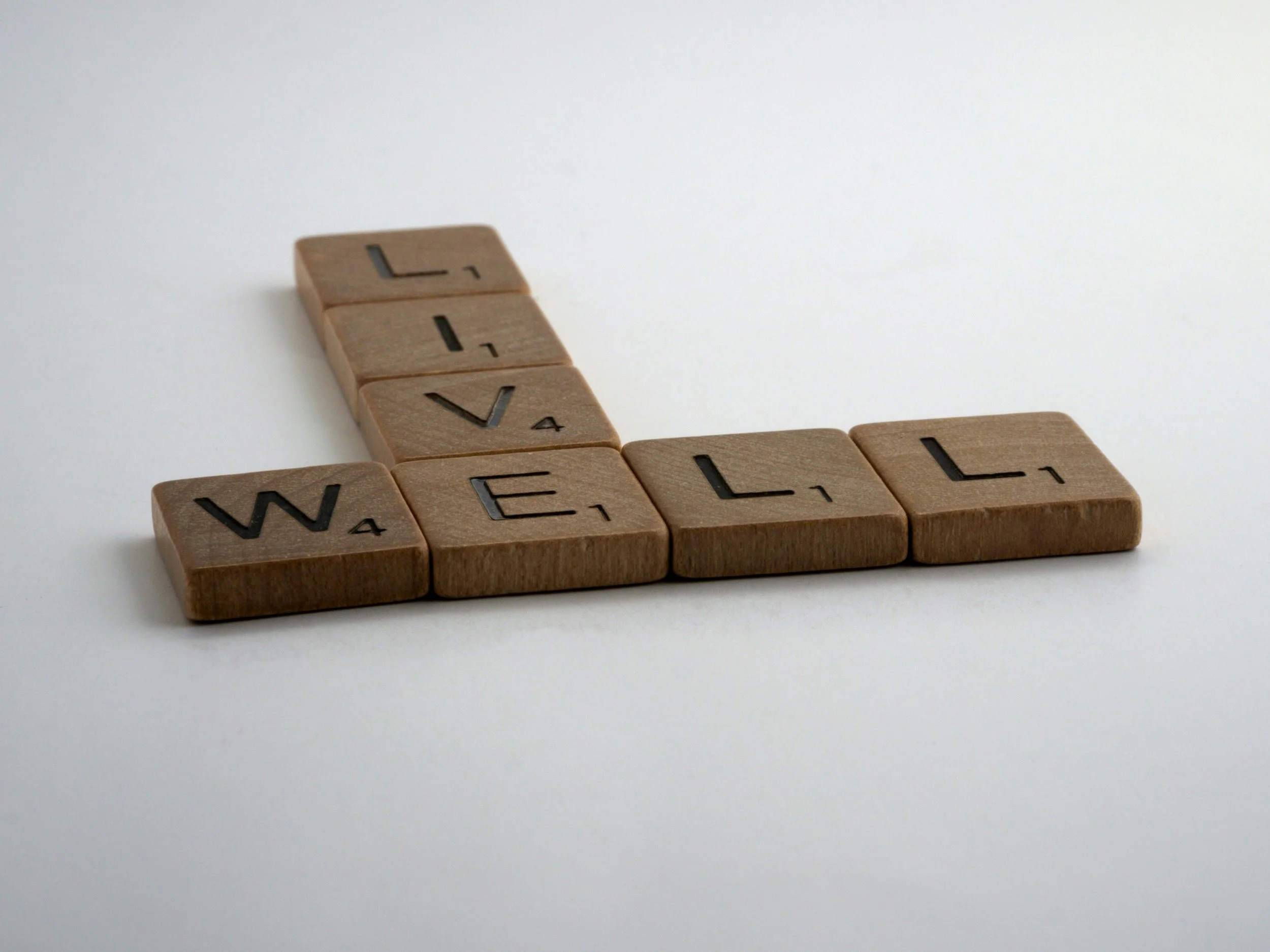
Celebrating Wellness
According to the American Psychological Association, wellness is a dynamic state that encompasses physical, mental, and social well-being. Wellness also includes emotional and spiritual flourishing, inviting us to care for the whole person: mind, body, and soul.
At Novo Life, we believe wellness extends beyond the counseling room. As part of the greater Eastside Seattle community, we are committed to cultivating health and wholeness for our clients, our team, and the communities we call home.
But What Exactly Is Wellness?
In most circles, wellness is primarily associated with physical health, including healthy cholesterol levels, regular movement, strength, and flexibility. We take a broader view, recognizing that true wellness also includes mental, emotional, relational, and spiritual health.
Spiritual health is at the core of overall wellness and influences the other dimensions of well-being. Spiritual health involves accepting our limitations, receiving the gifts of grace and support rather than striving for perfection, and engaging in daily or weekly practices such as prayer, reflection, or meditation. While many people find spiritual connection within religious traditions, others may experience it through practices such as mindfulness, reflection, or connection with something greater than themselves.
If you can establish the core reception of gift and grace; by which I mean an inner state of receptivity, flow, and contentment, you can then, more readily engage the other realms of Wellness and do it from a place of acceptance and peace rather than as a compulsory grab for health at all costs which only increases stress and adrenaline and activities the immune system in an unhealthy way. It is much better to practice Wellness from a place of contentment and acceptance.
Let’s Start With Physical Health
Here are some practices that, when incorporated consistently, can help support your overall health and well-being. It is important to remember that what is healthy for one person may not be healthy for another. Just as with food allergies or individual needs, wellness looks different for each person.
1. Physical Exercise – stretching, walking, running, lifting.
2. Being in Nature – beaches, hikes, snow.
3. Yoga or Tai Chi.
4. Eating healthy – multiple food groups.
5. Drinking enough Water.
6. Medications, Multivitamins, Supplements.
7. Restful Sleep.
Understand that this list is not complete and some of the activities may not work for everyone. Especially in the cases of finances, body composition, or accessibility. That is okay. This is simply a starting point.
Mental and Emotional Health: The Subtle Areas of Health
I often combine mental and emotional health into one category because they are deeply interconnected. Many of us were never taught how to understand, process, or respond to our emotions in healthy ways.
Some examples of positive emotions are: gladness, gratitude, contentment, patience, and peace.
Some examples of negative emotions are: sadness, shame, guilt, fear, and disgust.
If you are anything like me, you may prefer to hold on to positive emotions and get rid of the negative ones. However, when we try to avoid or suppress difficult emotions, we often end up experiencing more distress, which can contribute to feelings of depression, anxiety, or unhealthy coping patterns. This is because, as the phrase often attributed to the late depth psychologist Carl Jung suggests, “what you resist, persists.”
A more fruitful perspective is holding a stance of mindfulness toward all emotions. Let them arise into your awareness (mind) nonjudgmentally and then watch them leave as quickly as they arrived. This seems so simple but is so hard in practice.
If we can experience that not all our thoughts and feelings are true (concrete reality), we can become less trapped in them and find mental and emotional peace. I recommend a mindfulness practice every night where you sit for 5-10 minutes and simply observe the contents of your mind; your thoughts, feelings, sensations, and memories without getting stuck in them or commenting on them.
This produces a mental calm.
If you want to process your emotions, observing your thoughts, physical sensations, and memories can help you identify their source. For example, if I imagine a scenario in which I get revenge on someone who has wronged me, I can trace that fantasy back to underlying emotions such as hurt, anger, and shame. I can then meet those feelings with compassion and acceptance, allowing myself to fully experience them before letting them pass.
Some activities that can help us find Mental and Emotional Health besides what was just mentioned are:
1. Journaling.
2. Meditation.
3. Prayer.
4. Group Meetings.
5. Therapy.
6. Psychiatric Medication or Supplements.
7. Sharing with a Friend.
8. A Religious Affiliation and Practice.
Wellness as Peace
To sum up, wellness is about peace. It’s about accepting limitations and constraints while pressing into activities that challenge the status quo. It’s about learning what works and what doesn’t work. It’s about being receptive to “what is next” (there is always one thing that is calling to be acted out at any given time). For me, I find that when I get off work and get home, the “what is next” is usually a short two-mile run.
What is your “what is next” in your wellness journey? Let’s take that next step together. Please let us know how we can be a resource and support you along the way.
Resources
What is Wellness?
Therapist / Psychiatrist Directory:
https://www.psychologytoday.com/us
Reduce Anxiety & Stress with the Physiological Sigh:
https://www.youtube.com/watch?v=rBdhqBGqiMc
Book About Emotions and Spirituality
Emotionally Healthy Spirituality by Peter Scazzero
https://www.emotionallyhealthy.org/product/emotionally-healthy-spirituality-update-revised-edition/
The Ruthless Elimination of Hurry by John Mark Comer

Written By: Andrew Accornero, LMHCA
Phone: (425) 395-4806
Email: Andrew@novolifecounseling.com